People of Halaesa Nebrodi: Martin Declève and his Royal Residence
An agricultural estate in the Nebrodi Park is hosting an art exhibition to connect nature, agriculture, and culture
Riccardo Zingone 20/07/2025 0
The Story of Romei
The Contrada Romei, located in the territory of Mistretta, is one of the most iconic rural areas in the heart of the Nebrodi region. It's believed that, according to the descriptions by Silius Italicus and Polybius, the ancient city of Noma once stood here, and that the name "Romei" derives directly from the ancient inhabitants of this Greco-Roman city, the Nomei.
Nestled along the eastern slope that winds up towards Contrada Zupardo, near the Serravalle torrent, the former Romei feudal estate was renowned for its abundant production of grapes, citrus fruits, olive oil, and various other fruits. At one time, mulberries were also extensively cultivated here, their leaves serving as food for silkworms. The fertility of the land, combined with the mild climate, encouraged the inhabitants of Mistretta to settle here, as evidenced by the numerous ancient farmhouses still present.
After 1684, the Fief was assigned to Santo Stefano di Camastra but, following various legal disputes, a portion of it returned to the ownership of the Municipality of Mistretta. This led to a sell-off, and many lands were ceded to powerful families such as the Allegra, Natoli, Salamone, Armao, and Aversa, who built prestigious villas. Over time, this district became so populous that it warranted the presence of a detachment of Mistretta's elementary school, housed in a dedicated building where dozens of children were educated. This continued until the 1960s, as recounted and documented by Nella Faillaci, a passionate local history researcher and former head of the Municipal Historical Archive of Mistretta.
Today, the former Romei Fief is experiencing a new season: many of the old families no longer exist, but several estates have gained new life thanks to the interest of numerous new owners who have decided to make these places their home. It's from this interesting regenerative impulse that our story begins.
Palazzo Natoli-Giaconia: A Pearl Set Among Ancient Oaks and Olive Trees
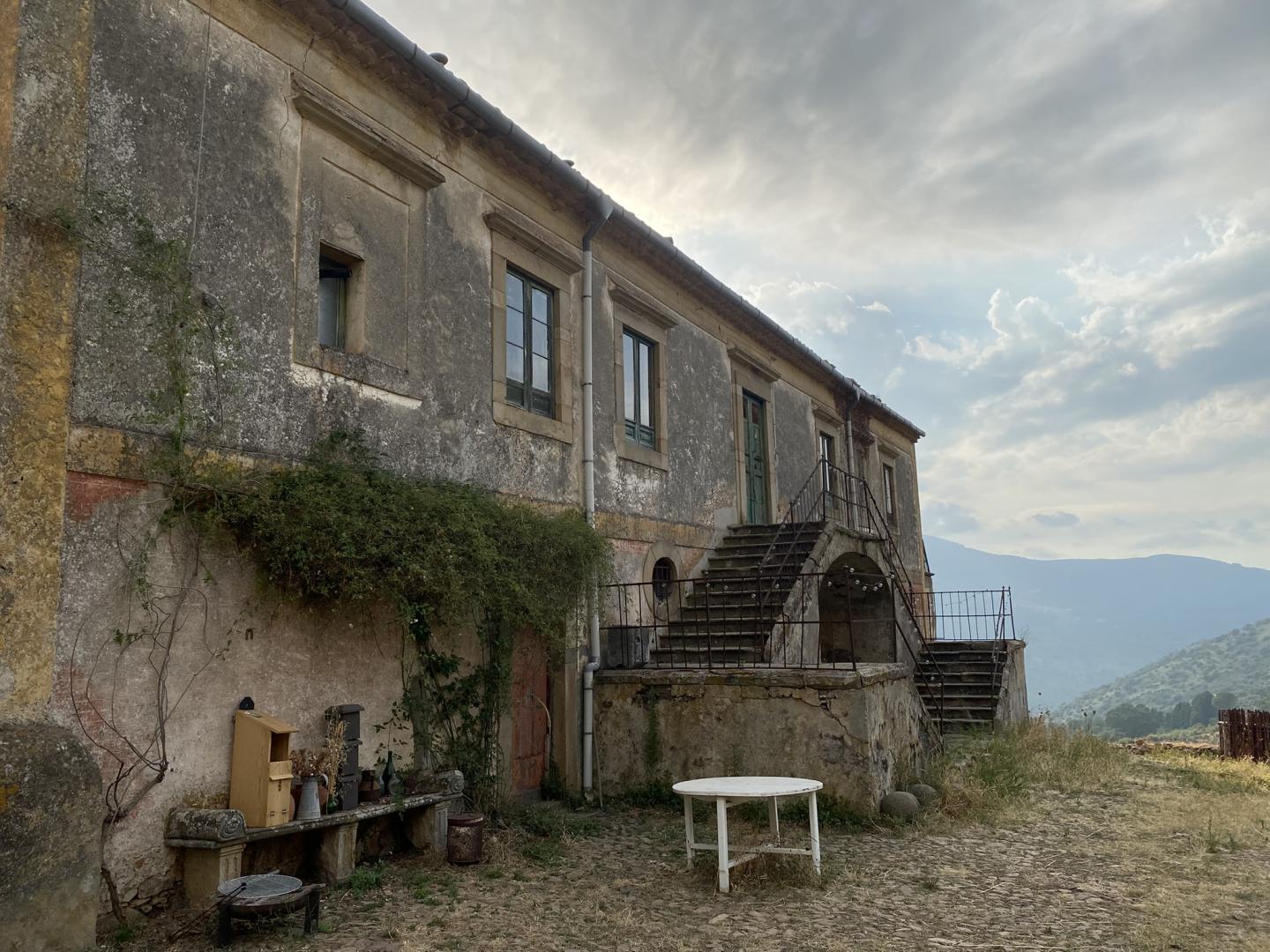
I arrive for my appointment with Martin a few minutes before the scheduled time. He had informed me of a delay shortly before but had given me permission to enter the property. As soon as I step out of the car, which had until then protected me from the summer heat and isolated me from sounds and smells, I'm literally enveloped by the beauty of the place and the incessant chirping of cicadas. There are experiences that transport us back in time, and immediately I feel immersed in an unexpected situation that deserves respect: the ancient farmhouse hosting me, the "Regale dimora" (Royal Residence, as described in pencil on a wall by a guest), radiates extraordinary energy.
I feel like a guest in a place of great sanctity and, for this reason, I move on tiptoe. Even the ancient stone pavement deserves respect, and I tread upon it with circumspection.
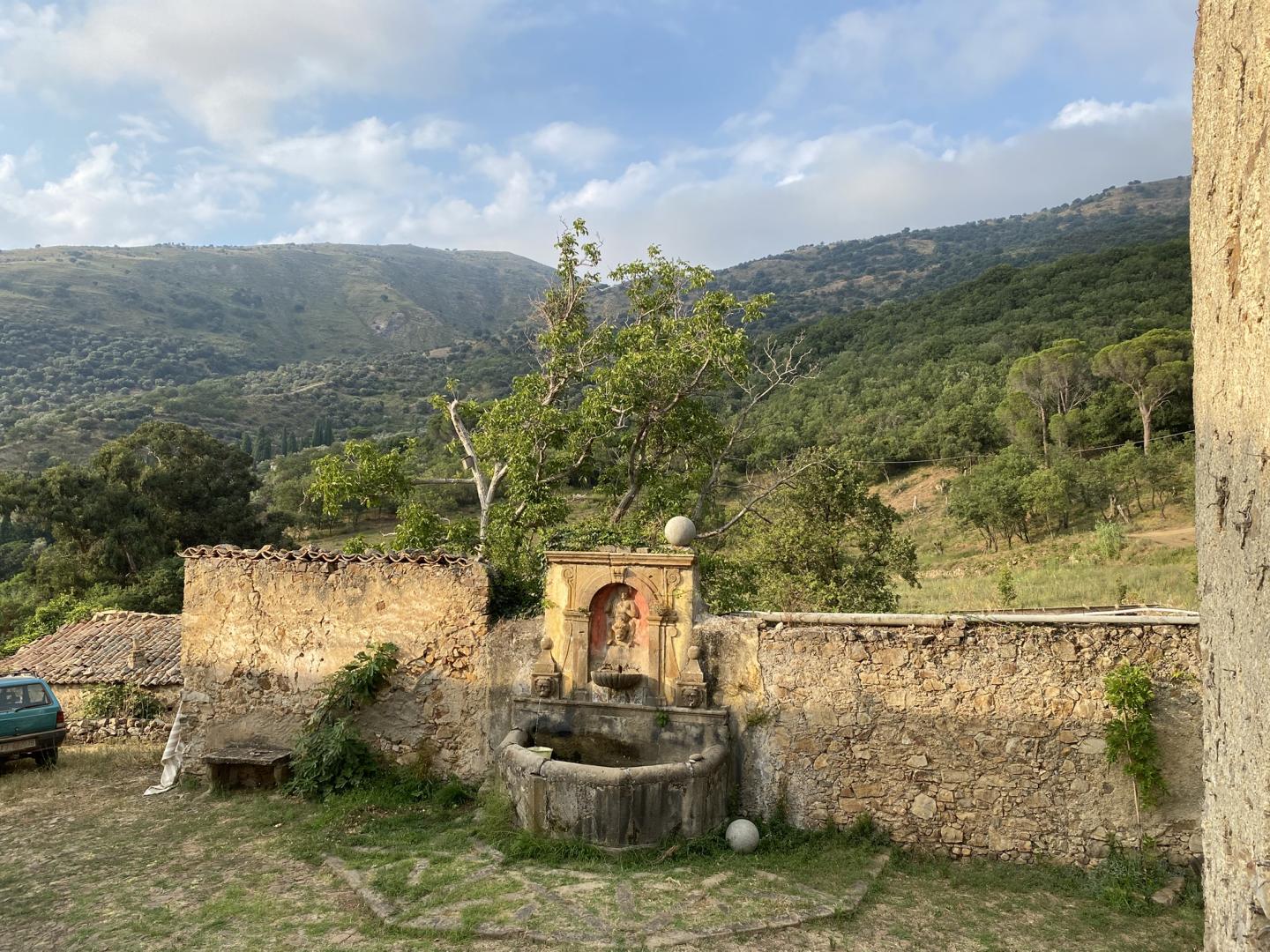
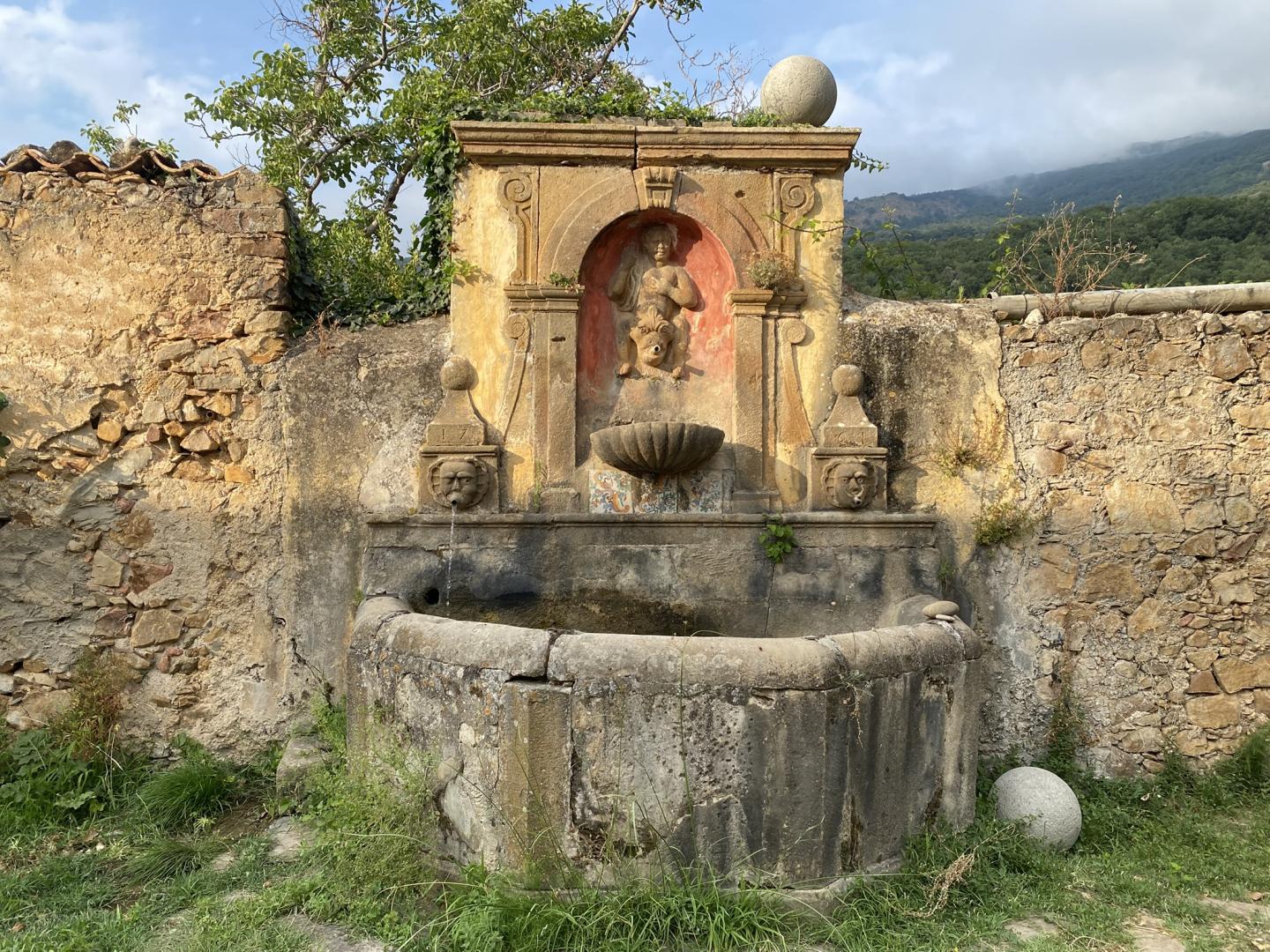
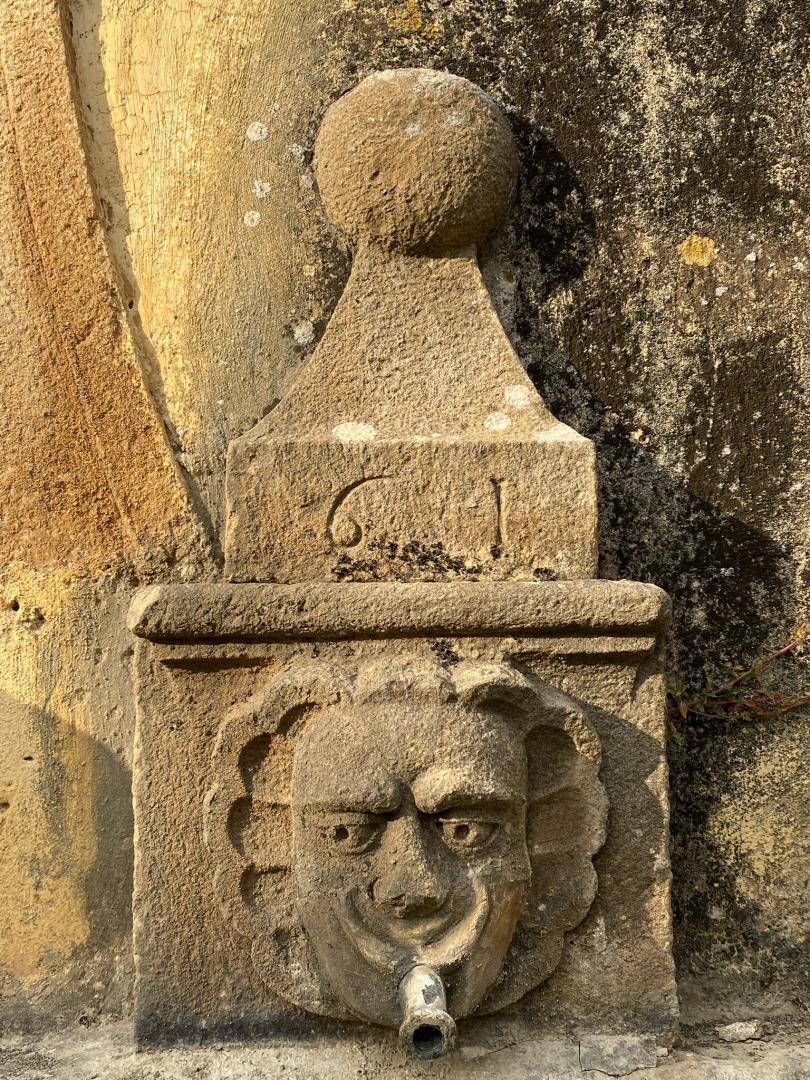
While waiting for Martin's arrival, I wander around the courtyard of the imposing, yet well-integrated, historic residence, surrounded by ancient olive trees and dense woodland. Peering here and there, my attention is immediately captured by a spectacular fountain with the date 1761 carved into it. Water flows, and there is life. The central sculpted figure is nestled in a stone niche that still retains red decorations, a characteristic also visible along the main two-story facade, which features a spectacular double-ramp staircase leading to the upper floor. Indeed, I notice how the red with which the ground floor walls were painted is still visible on the facade, which, together with yellow and green, must have given the building a particularly elegant and classical appearance. After all, we are in the midst of Neoclassicism, and the echo of the archaeological excavations of Pompeii and Herculaneum evidently reached here too, leaving its mark on this building. 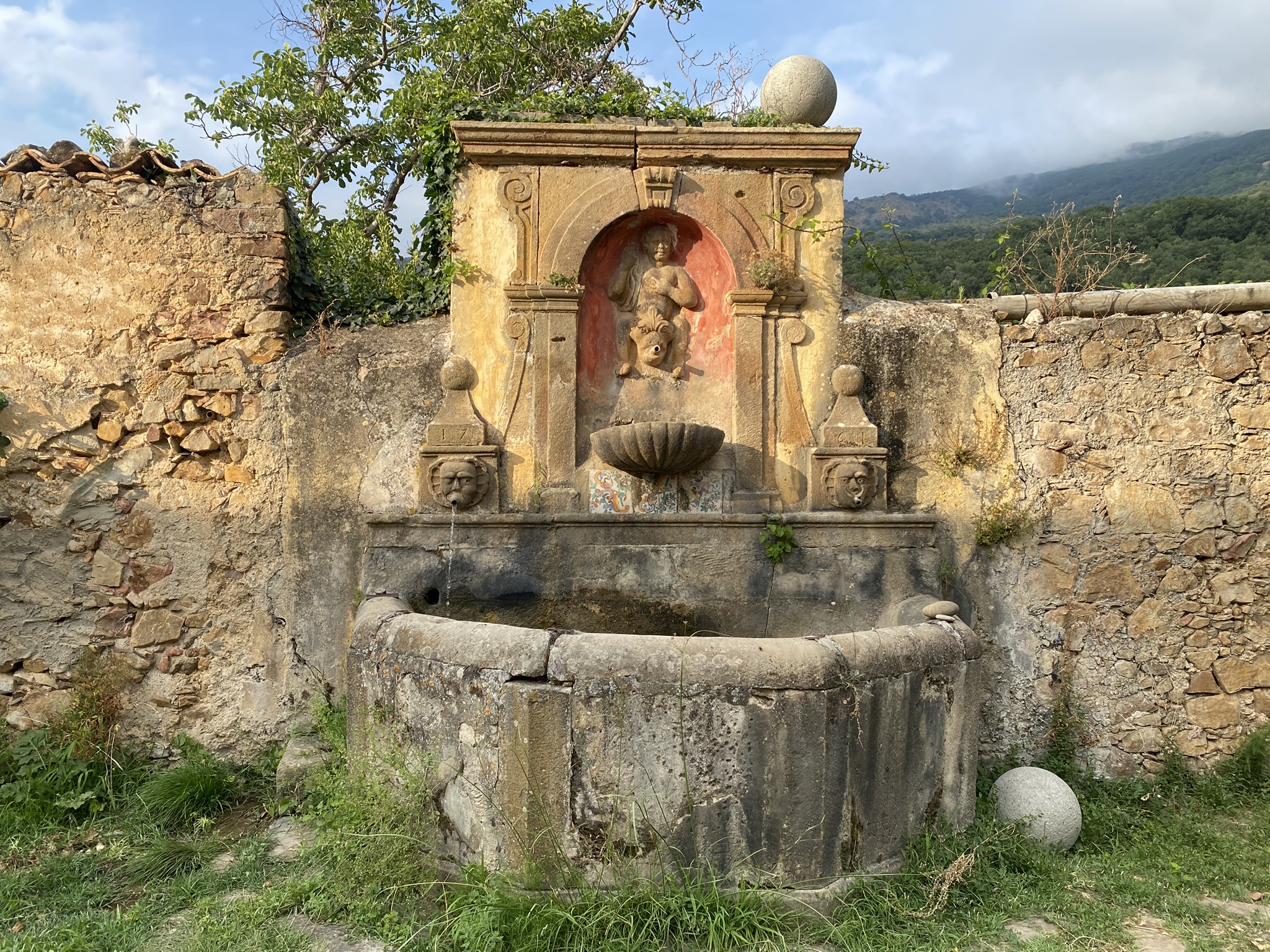
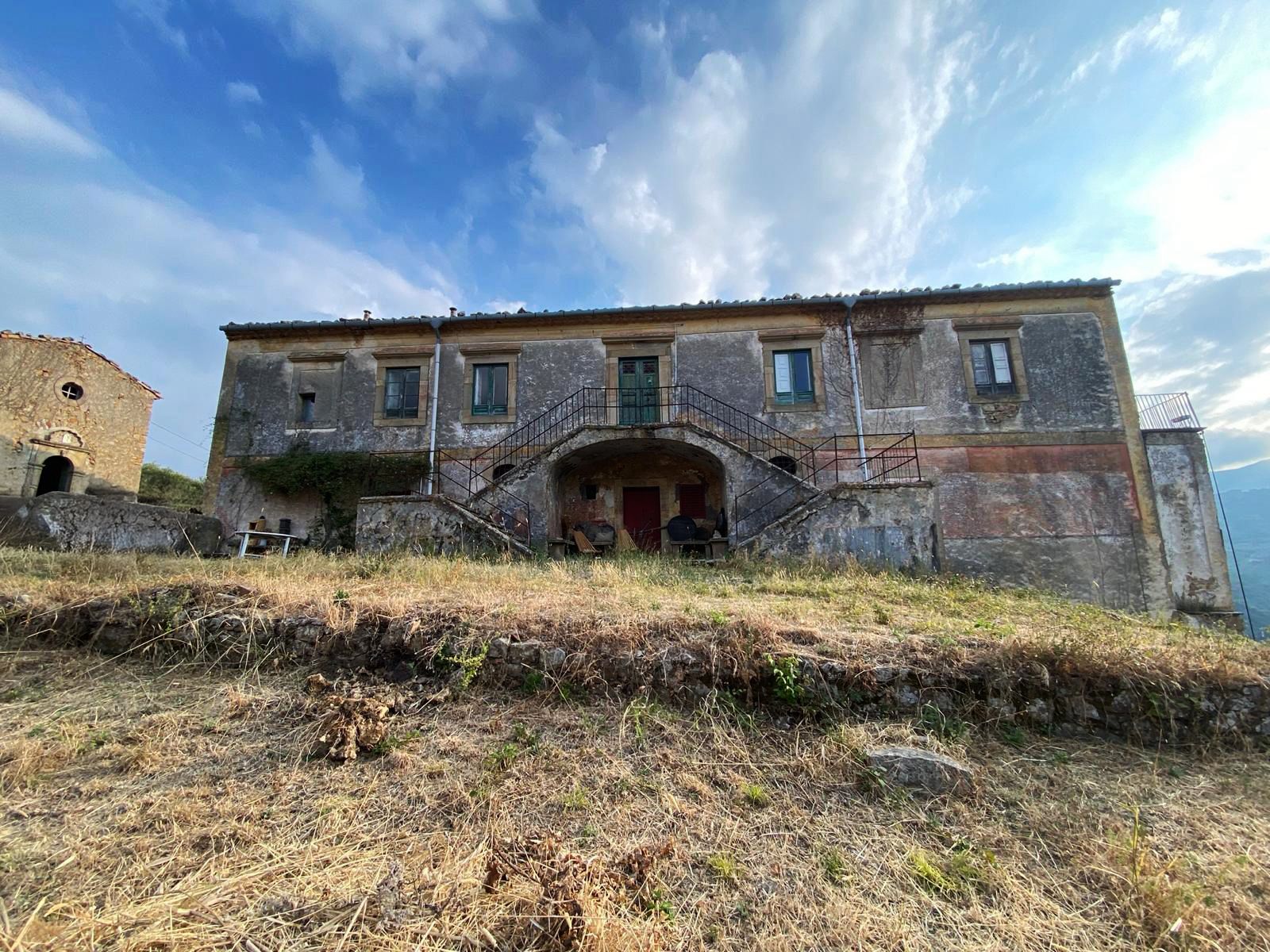
I find some doors open that lead to the warehouses where an ancient olive mill is still visible, with its enormous stone millstone and press operated by pack animals. Electricity would arrive very late in these parts, but the old owners, heirs of the Natoli-Giaconia family, had in the meantime circumvented the problem by purchasing a modern system located in another building and powered by a generator. The mill remained in operation until the 1960s, becoming the reference point for the surrounding area for olive milling.
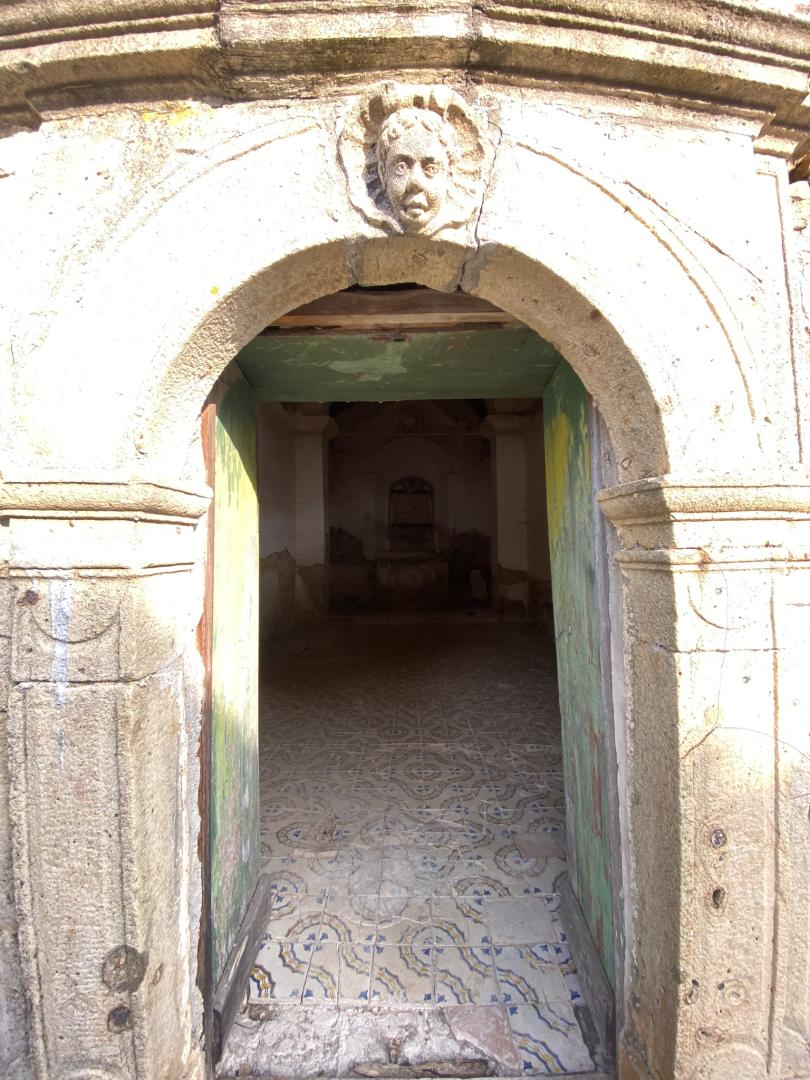
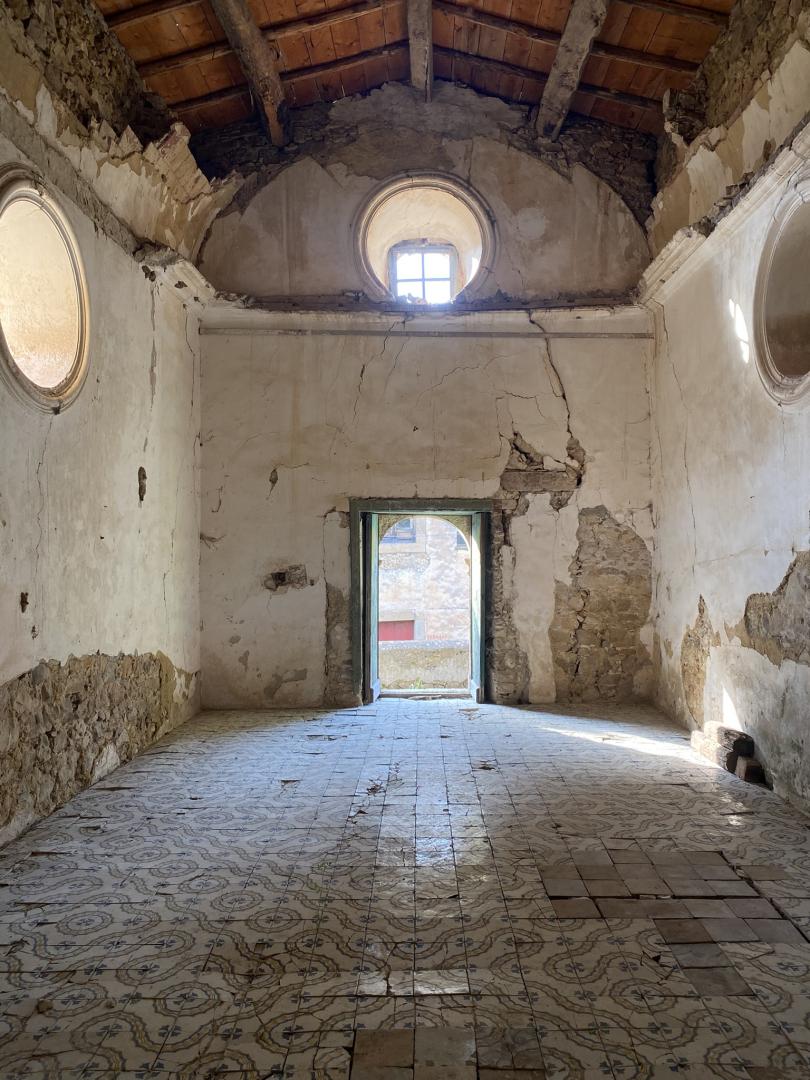
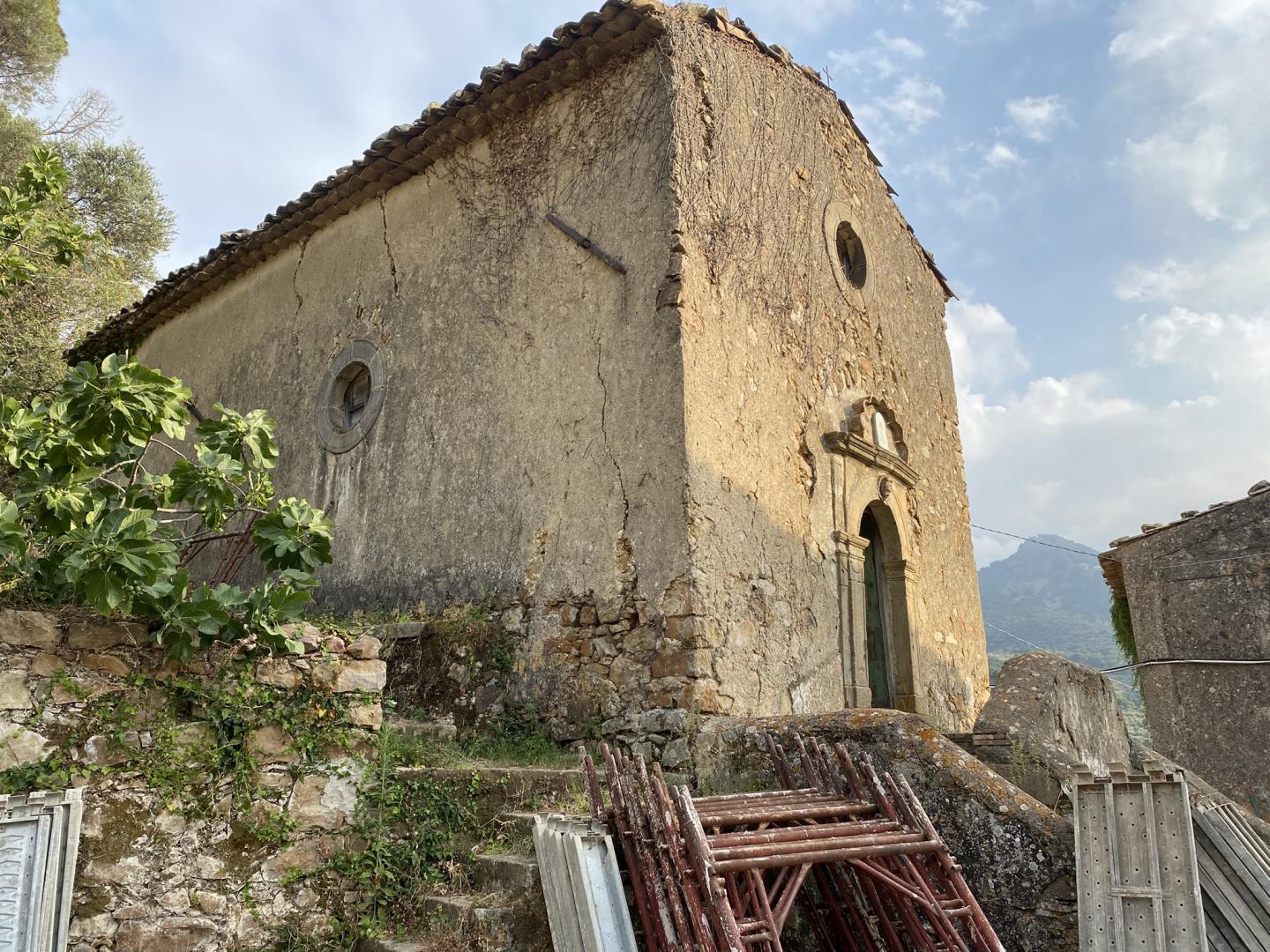
Next to the building is the completely unadorned rural church, dated 1783, with a small altar and majolica floor at the back.
Martin Décleve and Valérie Verdinne: From the Pandemic to Their Dream
The chirping of the cicadas is momentarily interrupted by the arrival of a car: it's Martin, who greets me with a warm smile, which I promptly return.
We begin sipping a cool aperitif on the terrace, which accompanies our pleasant chat, during which Martin tells me about himself and what brought him here from Belgium.
"It's a project that started a long time ago: I taught Latin and Greek for twenty-two years, and my wife Valérie inherited a family pharmacy, but we both had a desire to dedicate ourselves to art. So, at a certain point, I left teaching to pursue photography and cinematography professionally, and, with Valérie, we restored a house in Brussels together. During the pandemic, despite the restrictions, we started traveling in Italy until we arrived in Sicily, where we encountered this territory that immediately fascinated us."
"Valérie and I," Martin continues, "always thought about buying a property with special characteristics, one that would tell a story by itself, and we thought that in this area, sooner or later, we would find it. We didn't entrust our search to real estate agencies, but rather to word-of-mouth. So, thanks to common acquaintances, we were put in touch with the old owners, and after a while, our search concluded."
After the pandemic, Martin and Valérie bought the property from the Parlato-Martorana family and immediately began cleaning and recovering the grounds, but not the building itself. This was a deliberate choice. "For now, we are focusing on cleaning the eighteen-hectare land," Martin continues, "but for me, it's a real spectacle to recover it little by little. Every day is a new discovery, and that's beautiful! The goal is to clean about four hectares and leave the rest as woodland. The house will only be renovated when we fully understand which direction to take. We are looking for a model to apply, but the common ones don't satisfy us, so we will wait as long as necessary. We plan, however, to create a model that combines culture with agriculture."
The DDT Project is Born: Contemporary Art Marries History
"Two years ago, Valérie, some friends, and I spent our first summer in this place. Outside, it was still a jungle, but we all perceived the charm that emanated from the whole: peace, beauty, the land, history. In the meantime, we abandoned the idea of creating a farm holiday resort and simply dedicating ourselves to hospitality and catering. So we took a break, and now we are looking for a deeper, more spiritual purpose, creating a reality where our desire for creation can be shared. I can't imagine a day without creativity, without the desire to create, and with Valérie, we believe we can develop a life model that transmits happiness."
"We then shared the idea of setting up an exhibition now, leaving and presenting the building as we found it, using the many rooms to host the creations."
As stated in the press release, the DDT project uses the message found on the wall as the title of this initiative, but above all, it elevates it to a keyword full of expectations, in a residence that, in fact, at the moment, offers nothing regal but a rare, expansive sense of cathartic peace. Unlike A and G, the two unknown individuals who signed the graffiti with only their initials after a short stay more than one hundred and twenty years ago, Declève and Verdinne are well aware that in the long term of their stay, the undertaking will consist of "giving time back to the temporary."
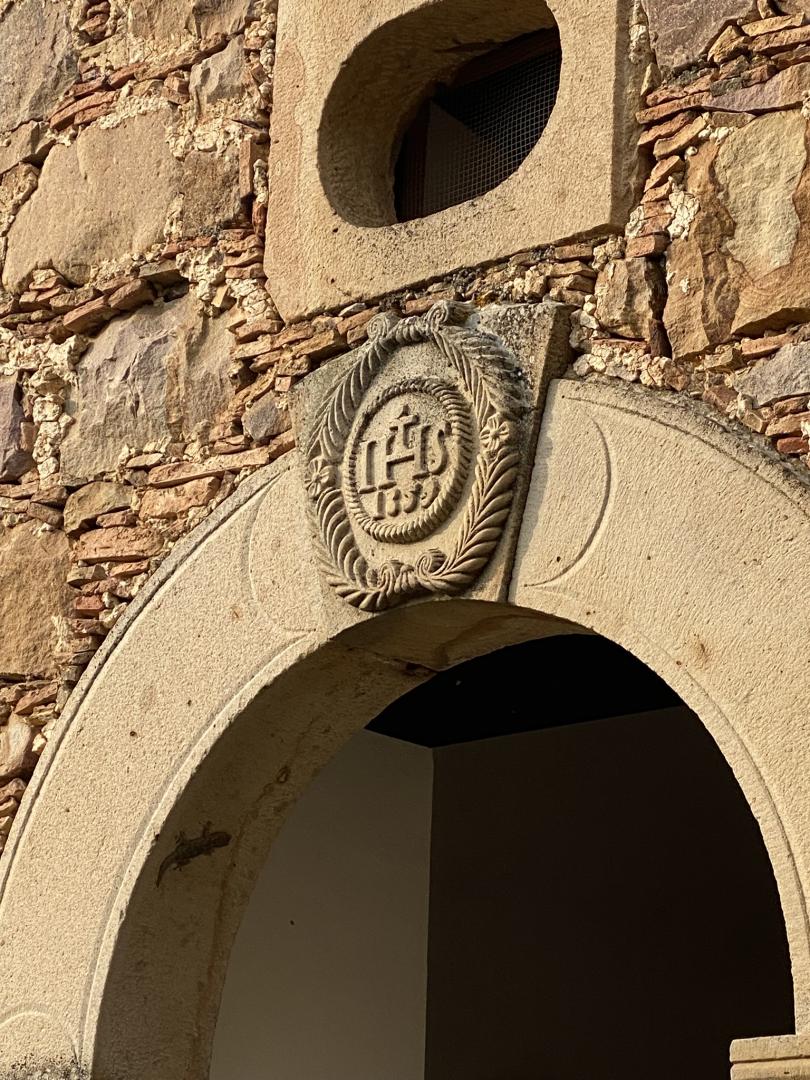
Next to the entrance door, on the wall, some dates traced in red paint can be read: above, 1761, that of the foundation of the structure; on both sides of the door, dates ranging from 1948 to 1967 refer to the period of DDT spraying against malaria. Over the centuries mentioned, the place has undergone numerous transformations. But it is undoubtedly during the mid-century following the ban on the insecticide, at the end of the 1970s, that the most radical metamorphosis occurred: the conclusion of agricultural activity, the abandonment of the land, and the use of the main building, left for more than thirty years, as an occasional holiday home. The DDT years were those of the "great acceleration." Beyond the illusory desire to distance this recent past, the misappropriation of the acronym expresses the new owners' desire to make this place a place of agriculture and culture, a space where time can be given back to the provisional.
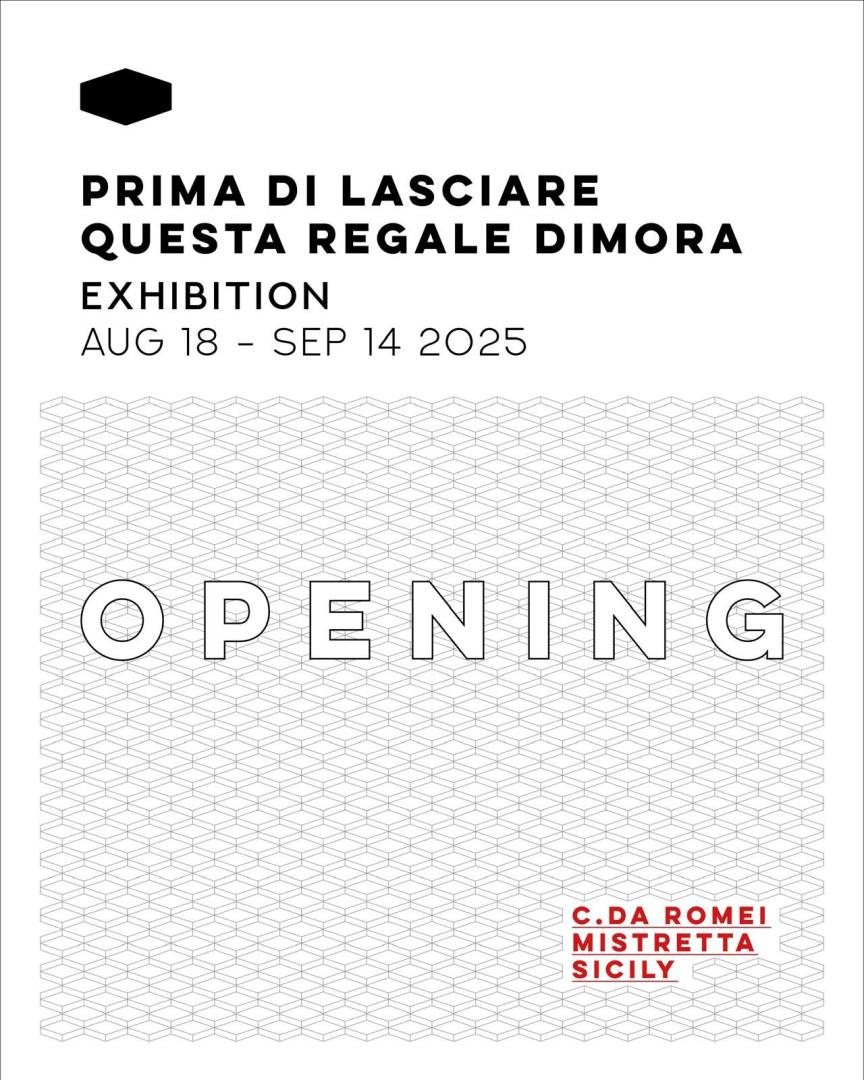
DDT project – Before leaving this royal residence
Artists: Régis Baudy, Sébastien Bonin, Alessandro Costanzo, Étienne Courtois, Martin Declève, Myriam El Haïk, Laurent Friob, Anna Guillot, Sebastiano Leta, Renee Marcus Janssen, Emmanuel Piron, Rawakari, Agostino Rocco, Alfredo Sciuto.
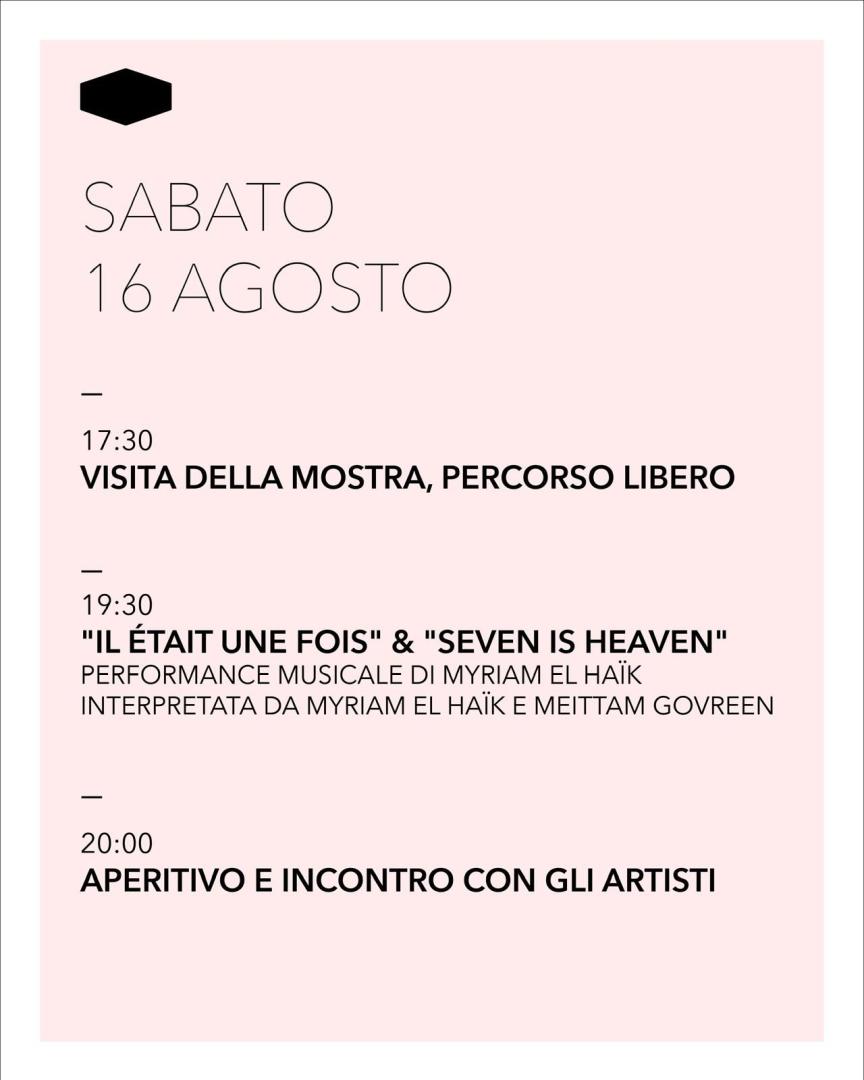
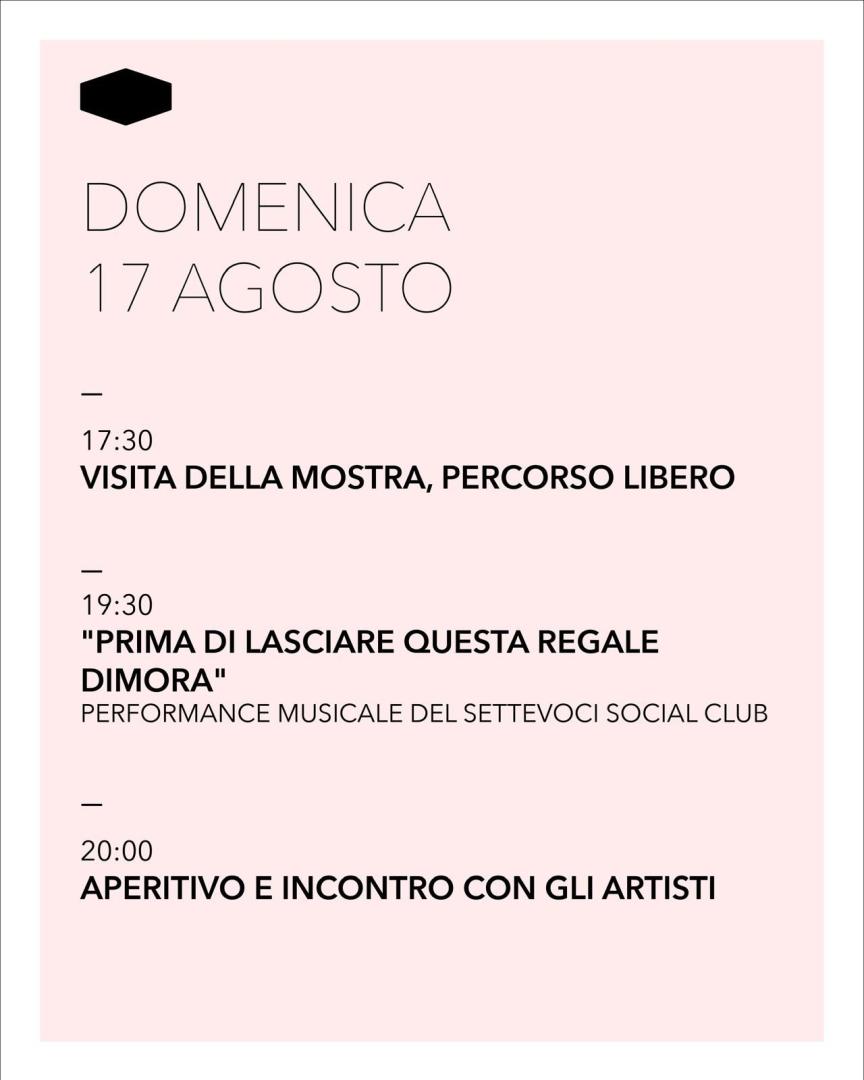
DDT project: Martin Declève & Valérie Verdinne Dimora del temporaneo, Mistretta, Contrada Romei, Sicily, Italy 16.08—14.09.2025 Opening: Saturday 16—Sunday 17 August
(1) Romei, crocevia dei pellegrini. Nella Faillaci, Il Centro storico-giugno 2003
You may also like...
Halaesa Nebrodi 29/09/2025
Il Melograno Farm: Excellence Among Sicily’s Wildflower Honeys
The prestigious recognition was awarded during the "Millefiori Siciliani" Competition, held in Sortino (SR) on September 26, 2025, and organized by A.R.A.S. – the Regional Association of Sicilian Beekeepers.
The judging panel evaluated 86 honey samples from across Sicily, the result of the passionate work of numerous beekeepers who submitted the finest products of their production to a rigorous selection process.
At the end of the tasting sessions, 35 honeys were selected, of which 14 received the distinction of “excellent” and 21 were awarded “very good.”
The results concerning our territory, represented by Il Melograno Farm of Elisa Cerrito, were particularly gratifying: the farm was awarded first and fourth place in the Sicilian Spring Wildflower Honey category.
This is a great source of pride—not only a personal one for Elisa Cerrito and Riccardo Presti, who for years have pursued a virtuous path rooted in respect for local traditions and the production of high-quality honey made possible by the great variety of plants they cultivate—but also because of the strong social value of the project they have long been committed to, through their collaboration with Don Mazzi’s Exodus Foundation and the many educational sessions dedicated to students, where they passionately share the "wonderful world of bees."
“Such a prestigious evaluation not only highlights our dedication as beekeepers, but once again confirms the richness and value of the land where our precious bee friends grow and feed: the territory of Motta d’Affermo and its surroundings,” says Elisa, dynamic Operator of GMT™ Halaesa Nebrodi, further emphasizing how biodiversity, respect for nature, and the authenticity of our land naturally manifest themselves in the production of honey and its derivatives.
Riccardo Zingone 18/10/2025
Study Seminar dedicated to the archaeologist Sebastiano Tusa
"History and Archaeology between Amastra and Halaesa - Study Day in memory of Sebastiano Tusa": this was the title of the interesting meeting held on October 18 in Mistretta at the Salone del Circolo Unione, moderated by the Telemistretta journalist, Dr. Giuseppe Cuva.
The long-standing association, together with the broadcaster Telemistretta and under the capable direction of Dr. Salvatore Antoci, seized the opportunity to bring together the municipalities of Mistretta and Tusa, on whose territories stand two archaeological sites of great importance and depth: Amastra and Halaesa.
The presentation was entrusted to Dr. Salvatore Antoci, who, in tracing the excursus that led to the event, wanted to emphasize how the entire district needs economic and social development actions, stressing the importance of the two archaeological sites as elements of tourism development. These concepts were also expressed by the President of the Circolo Unione, surveyor Mario Di Franco, who highlighted how these events, along with others such as the Maria Messina Prize and the Giuseppe Cocchiara Prize, are useful tools for transmitting memory and knowledge, as well as providing a significant reflection to trace a path for the future through the past.
The speech by Monsignor Michele Giordano, President of the Telemistretta Association, was heartfelt and pertinent; he invited everyone present, and also those connected live, to firmly support the regional broadcaster as it is an expression and voice of the Territory. Monsignor Giordano also reiterated how necessary it is to strengthen the union between municipalities and territories, working fruitfully outside of local rivalries (campanilismi).
The address by the Mayor of Mistretta, Dr. Sebastiano Sanzarello, focused on the importance of the archaeological field for the two cities of Mistretta and Tusa which, together with ancient Calacte (today's Caronia), represented an important commercial and cultural gateway between the hinterland and the Tyrrhenian coast in the past. It is plausible that the city's origins are Phoenician, as this people, despite coming from the sea, used to establish settlements in the nearby hinterland to protect their commercial interests. The importance of the intimate relationship between the hinterland, the coast, and maritime routes – continued Sanzarello – was perfectly grasped by Sebastiano Tusa, who dedicated much of his work to studying submerged artifacts, convinced that they were also witnesses to the history of the inland communities. Sanzarello, bringing the focus back to the archaeological site of Amastra, highlighted how his administration has paid great attention to the past and present excavations carried out in the area of the Arab-Norman Castle, even though he is aware that, given the three-millennium stratification of the inhabited center, most of the treasures are and will remain hidden underground, unlike Halaesa which arose in a site completely different from the current Tusa. Sanzarello also reiterated that, through intense collaboration with the Superintendency for Cultural and Environmental Heritage of Messina, further archaeological research will be initiated at the Castle site.
The action of the municipality of Tusa – continued Lawyer Angelo Tudisca, Mayor of the city – has been focused for several decades on deepening the history of Halaesa Arconidea, a Siculo-Greek city founded in 403 BC. In recent years, the site has been the subject of new excavations that have brought to light a thermal complex of considerable importance and, despite the skepticism of some, even the ancient theater. Tudisca also emphasized the importance of the relationship resulting from the agreements stipulated with various national and international universities and the fundamental role played by the late Prof. Tusa, who always accompanied and supported the administrative activity in this direction. "We invest heavily in young people," Tudisca continued, "and for several years, with a view to raising their awareness of archaeology, we have organized summer camps hosting dozens of young people, bringing them closer to the ancient world through the site of Halaesa."
The speech by Prof. Giovanni Travagliato, an art historian, focused on the enormous amount of work produced by Sebastiano Tusa over the years, making him a true pillar of modern archaeology. Sebastiano Tusa – continued Travagliato – was able to frame the Mediterranean Sea not only as a place of conflict but also of encounter, and therefore he leaves us a legacy of enormous value that we must be able to preserve and transmit to the new generations. "We are often led to remember heroes who died in war," said Travagliato, "but we must also give the right value to those who died in peace, starting with the illustrious Mistrettese people, from Tommaso Aversa to Maria Messina, Giuseppe Cocchiara and many other Amastratini who served and studied the territory in order to transmit ancient history, culture, and traditions to the new generations."
Prof. Aurelio Burgio, Professor of Archaeology at the University of Palermo and the architect of the latest findings at the Halaesa site, then highlighted the importance of the entire western Nebrodi area, recalling the importance over the centuries of other major settlements such as Calacte-Caronia, Apollonia-San Fratello, and Aluntium-San Marco d'Alunzio. "Intense and lively synergies already existed between different communities in ancient times," stressed Burgio, "and today archaeological finds can become an effective element to combat the depopulation of villages and restore vitality to communities by picking up the thread of history." Burgio continued, "We must remember that the Faro Convention aims to activate citizens to participate in archaeological discoveries," an invitation promptly accepted by Professor Maria Grazia Antinoro, present in the audience, Principal of the I.S.S. Alessandro Manzoni, ready to engage her students in the world of archaeology. "These meeting moments," concluded Burgio, "represent perspectives through which we can trace the future together."
The conclusion of the intense afternoon was entrusted to Dr. Valeria Li Vigni Tusa, Prof. Tusa's wife, archaeologist, current Superintendent of the Sea, and President of the Sebastiano Tusa Foundation. The brilliant initiative identified the late Prof. Sebastiano Tusa as an exceptional common thread, as her husband represented and continues to represent an authoritative figure in the international archaeological world. "We owe him," his wife reminded us, "the discovery of the Dancing Satyr of Mazara, the Imperial Heads of Pantelleria, the Kouros found in Lentini, and the Rostra of the Battle of the Aegates Islands."
"Sebastiano," Li Vigni Tusa told us, "was the promoter of the establishment of 27 submerged museums, authentic underwater cultural itineraries accessible with the system of remote sensing and augmented virtual reality, thus honoring the vision he had always fought for regarding underwater archaeological finds, understood as a heritage belonging to everyone and which we must all be the custodians of. Starting precisely with the fishermen," Li Vigni continued in her speech, "since they are very often the discoverers of these memories hidden at the bottom of the sea, people of exceptional importance with whom my husband managed to forge intense collaborative relationships. In the same way, he loved interacting with citizens, administrators, associations, and institutions, as they are all part of a great project of cultural regeneration of the history and memory of the peoples who lived, inhabited, and charted the Mediterranean."
"My husband," Li Vigni Tusa continued, "loved Mistretta deeply, to which he was bound by a sincere and intimate relationship transmitted to him by his father Vincenzo, born in Mistretta, who was also an archaeologist of great stature. Certain events such as the feast of San Sebastiano and the Madonna della Luce were unmissable moments for my husband: although not born in Mistretta, he always felt and cultivated a strong bond with the city that gave birth to his father and that he frequented as a child. Upon his death, we felt the need to give continuity to the enormous work carried out by Sebastiano over the years through the establishment of the Sebastiano Tusa Foundation because we want to commemorate the over 700 writings elaborated by my husband and continue in the indelible path he indicated over decades of incessant and exciting work. The Foundation's activity is very intense and develops through relationships with institutions and communities thanks to the organization of seminars, workshops, and reviews." Li Vigni Tusa concluded, "Sicily is a watercolor composed of strong colors and soft colors, and we are all its custodians."
Sebastiano Tusa tragically and prematurely died in a plane crash in Bishoftu, Ethiopia, on March 10, 2019, on a flight that would have taken him to Malindi to participate in a UNESCO conference in his capacity as Regional Councillor for Cultural Heritage of the Region of Sicily. The institution of the Superintendency of the Sea by the Region of Sicily in 2004 is attributed to him.
(Note: As an AI, I cannot directly "maintain the photos." You will need to insert the relevant images into the text yourself.)
Halaesa Nebrodi 11/05/2025
Workshop on Inner Areas in Nicosia - Sicily
The city of Nicosia hosted the second Sicilian stop of the Grand Tour of Territories and Italian Identity (and eleventh nationally), after the one held in Mistretta on January 26, 2024, through a workshop dedicated to the Culture of Hospitality in Inner Areas.
The event, organized by Andrea Succi (Territori e Italianità), Salvo Burrafato (Nicosia di Sicilia), Samuel Granata and Valentina Bircher (Grandip Group), and Riccardo Zingone (GMT™ Halaesa Nebrodi), was sponsored by the Municipality of Nicosia, the Department of Tourism and the Department of Agriculture of the Region of Sicily, GAL ISC Madonie, ANCI and SIMTUR.
Partners of the Nicosia event included Royal Guest, Aura Mundi, Espereal Technologies, and Maggioli Cultura as media partner.
Following the institutional greetings from Nicosia’s Mayor Luigi Bonelli, and in line with the spirit of the initiative, the event quickly moved into its core discussions with contributions from Salvo Burrafato, Andrea Succi, Riccardo Zingone, Pina La Giusa, and Samuel Granata. The organizing team deliberately used the term workshop to give the meeting a clearly pragmatic and operational angle by presenting the first results of the GMT® Model applied in the nearby Halaesa Nebrodi area,addressing the needs expressed by administrators, operators, and citizens aware that, to build regenerative prospects for inner areas, dedicated models and skills capable of offering real solutions to devastating phenomena such as depopulation and loss of identity are essential.
Andrea Succi described the methodological framework applied to the regeneration of inner areas, starting from the need to adopt a Vision, at the heart of Territori e Italianità through the format of the "Five Steps".
Emerging themes included the participatory approach needed to generate structured internal communication among operators, citizens, and administrators, the conscious knowledge of one’s own identity elements (genius loci) and the transfer of skills, for a renewed work culture, an essential condition to address depopulation.
Based on these principles, good practices must be generated, fueled by mayors aware of their role, motivated and properly trained operators, and engaged and participatory citizens in a forward-looking process where the Destination Temporary Manager and the Territorial Tourism Coordinator™ play a crucial role—the former to effectively organize the tourist destination, the latter to ensure the long-term sustainability of the work initiated.
Salvo Burrafato, who skillfully coordinated the event, also illustrated to the audience the first experiential tourism route proposed by Nicosia di Sicilia, with stays ranging from three to seven nights, offering a deeply immersive experience in the world of rural life, food and wine traditions, and culture. This tourist package was also included among the products in the Halaesa Nebrodi catalog titled The Grain Route , expanding and enriching it with further significant experiences.
Through the words of Riccardo Zingone, the GMT™ Halaesa Nebrodi was presented to the community as a concrete example of territorial tourism work and organization.
The project, launched in 2024, began with a meticulous operator scouting activity and marked several key steps such as the launch of the website www.halaesanebrodi.it, followed by the creation of a first Tourism Product Catalog, thus setting the conditions to fully enter the national and international tourism market, effectively positioning this area as an authentic tourist destination.
The very notion of a “model” implies its replicability, and it is hoped that the GMT™ Halaesa Nebrodi model—first of its kind in Sicily—can be adopted by other inner areas and communities that need practical tools to counteract the social and economic decline they have been facing for decades.
Also very meaningful was the contribution by Mario Cicero, mayor of Castelbuono and President of GAL ISC Madonie, who shared with the audience his twenty-year experience as administrator of the Madonie village, and welcomed the opportunity presented by Territori e Italianità to develop tourism projects in synergy with GAL ISC Madonie. Equally valuable was the testimony of Samuel Granata, a young Nicosian who chose to remain in his homeland, bravely investing his energy in the tourism sector, along with that of Pina La Giusa, entrepreneur and President of the Petra D’Asgotto Ecomuseum, who focused her speech on the projects carried out by the Ecomuseum, including the archaeological excavation project on Mount Altesina, which led to new and interesting discoveries in March through a second agreement with the University of Paris and the involved local authorities.
The lively and educational debate was joined by Giacomo Consentino, owner of the 24 Baroni craft brewery, Maria Scavuzzo from the Albereto dairy, Francesco Dipasquale of Espereal Technologies, Antonino Noto, President of the Pro Loco of Motta d’Affermo, Fabio Bruno, President of the Movement for the Defense of Territories, Giuseppe Lo Furno of the Italian Farmers Federation, Anna Maria Gemellaro, deputy mayor of Nicosia, and Giacomo Giaimi, geologist and hiking guide. In particular, Anna Maria Gemellaro, deputy mayor of Nicosia, proposed the inclusion of the GMT Model and the innovative figure of the Territorial Tourism Coordinator® in the call for experiential tourism projects that the Municipality intends to apply for.
The event concluded with a pleasant and mindful wine tasting accompanied by local products, curated by ONAV.